Understanding Nitrite in Well Water Present
Nitrite in well water is a growing concern for many homeowners who rely on private wells for their daily water supply. High levels of nitrite pose serious health risks, especially for infants and pregnant women. Unlike municipal water systems that undergo regular testing and treatment, private well water remains the responsibility of the homeowner. This makes regular well water testing and proper filtration systems crucial to ensure that your water remains safe, clean, and free from harmful contaminants such as nitrates, nitrites, and bacteria.
1. The Health Risk: Methemoglobinemia (“Blue Baby Syndrome”)
The most serious and well-documented health issue caused by nitrite exposure is Methemoglobinemia, commonly known as “Blue Baby Syndrome.”
-
The process: When infants under six months old drink water high in nitrates, bacteria in their digestive systems convert it into nitrite. This nitrite then binds to hemoglobin, preventing it from carrying oxygen effectively.
-
The result: Oxygen deprivation occurs, and tissues don’t receive enough oxygen.
-
Symptoms: Bluish discoloration of the skin (especially around the eyes, lips, and mouth), shortness of breath, fatigue, irritability, and rapid heart rate.
-
The danger: Without treatment, this condition can be fatal.
2. Other Populations at Risk from Nitrite in Water
Although infants are the most vulnerable, adults and other groups can also be affected by nitrite contamination in well water.
-
Pregnant women: Changes in blood chemistry during pregnancy can heighten susceptibility to oxygen deprivation.
-
Individuals with certain health conditions: People with anemia, reduced stomach acidity, or metabolic disorders may be more sensitive to nitrite exposure.
-
Long-term effects: Chronic exposure may be linked to thyroid disorders, colorectal cancer, and pregnancy complications, though studies are ongoing.
3. Why Well Water is Particularly Vulnerable
Nitrite and nitrate contamination commonly result from human activities near the well site. Typical sources include:
| Source of Contamination | Description |
|---|---|
| Agricultural runoff | Fertilizers and animal manure seep into groundwater. |
| Failing septic systems | Leakage of waste into the soil introduces nitrogen compounds. |
| Poorly constructed wells | Shallow wells or damaged casing allow contaminants to enter directly. |
| Industrial discharge | Some industries release nitrogen-rich waste into nearby land or water. |
Because private wells are not part of public systems, the homeowner is responsible for testing and maintaining water quality.
4. What to Do if You Suspect High Nitrite Levels
If you think your water may be contaminated with nitrite or nitrate, here’s what to do:
-
🚫 Stop using the water for drinking and cooking — especially for infants, children, and pregnant women.
(Note: Boiling water does NOT remove nitrites; it actually concentrates them.) -
🧪 Get your well water tested.
Contact a certified water testing lab to measure nitrate and nitrite levels.-
EPA’s Maximum Contaminant Level (MCL) for nitrite: 1 mg/L
-
EPA’s MCL for nitrate: 10 mg/L
-
-
🔍 Find and fix the source.
Work with a licensed water professional to locate and stop the contamination. -
💧 Install a treatment system.
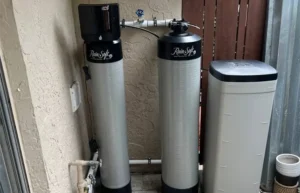
If nitrite levels remain high, consider installing a well water filtration system such as:-
Reverse osmosis (RO)
-
Ion exchange systems
-
Distillation units
-
These systems effectively remove nitrites and nitrates, ensuring your water is safe, clean, and drinkable.
5. Well Water Testing in Ohio: Why It’s Critical
In Ohio, many homeowners depend on private wells for daily water use. Because Ohio’s geography includes agricultural and rural zones, well water testing is essential for identifying nitrite, nitrate, bacteria, and heavy metals.

Recommended Testing Frequency
| Test Type | Recommended Frequency | Parameters Checked |
|---|---|---|
| Basic water test | Every 12 months | pH, hardness, iron, total coliform |
| Nitrate/Nitrite test | Every 6 months | Nitrate, nitrite levels |
| Comprehensive analysis | Every 2 years | Metals, chemicals, pesticides |
Tip: You can search “well water testing near me” to find certified Ohio laboratories or visit the EPA Safe Drinking Water Hotline.
6. Is Well Water Safe to Drink?
Yes — if properly tested and filtered. Well water can be perfectly safe and even healthier than municipal water when maintained. However, without testing and filtration, it can harbor harmful contaminants like bacteria, nitrite, lead, and arsenic.
Installing a well water filtration system ensures your water is pure, safe, and meets EPA standards for drinking water.